In this article
A blocked drain is a major disruption that can lead to foul odours, severe water damage, and unhygienic conditions on your property. When faced with a stubborn clog, many homeowners wonder if high-pressure water jetting (hydro-jetting) is worth the investment, or if a standard plunger or cable snake is enough.
While traditional drain clearing methods have been the standard for decades, they often provide only a temporary fix. For persistent blockages, heavy grease buildup, tree roots, and recurring drainage problems, hydro-jetting is the most effective solution available.
What Is a Drain Jet Machine?
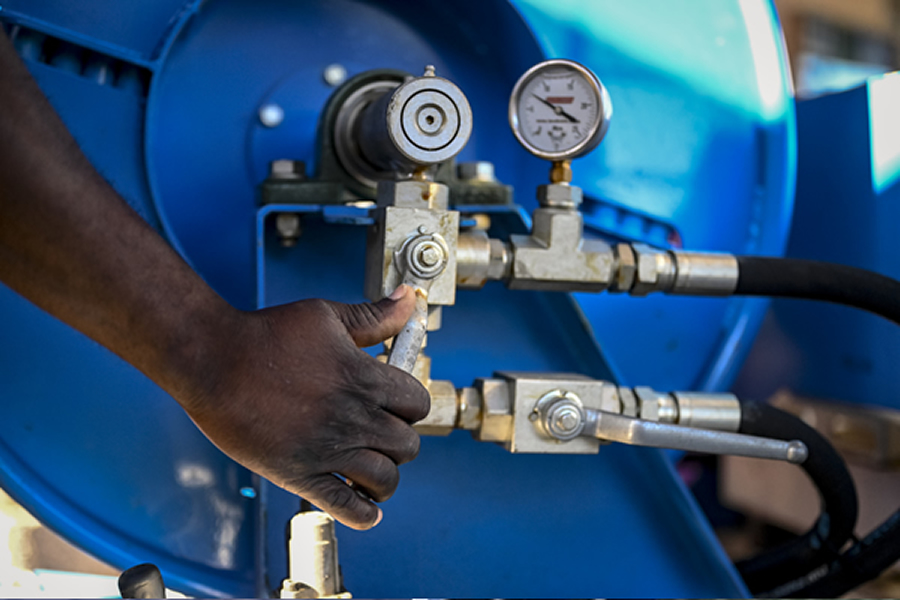
A drain jet machine, also known as a high-pressure water jetter, is a specialised plumbing tool that uses high-velocity water streams to scour the inside of drainage pipes.
Unlike traditional drain snakes that simply punch a narrow hole through an obstruction, a hydro-jetter operates at extreme pressure (typically between 1,500 and 4,000 PSI). Fitted with specialised multi-directional nozzles, it propels itself down the line, thoroughly cleaning the entire internal diameter of the pipe rather than just clearing a path.
4 Reasons Why High-Pressure Jetting Outperforms Traditional Methods
1. Completely Clears the Line (Not Just the Clog)
Mechanical cables and plungers can break up solid obstructions, but they leave behind layers of grease, soap scum, and mineral scale clinging to pipe walls. Hydro-jetting flushes out all residual debris, restoring the pipe to near-original capacity and preventing immediate re-blocking.
2. Eco-Friendly and Safe for Pipes
Chemical drain unblockers rely on harsh, corrosive substances that can deteriorate pipe linings, ruin rubber seals, and harm the local water system. High-pressure jetting relies purely on natural water force, making it completely eco-friendly and safe for your plumbing infrastructure when operated by trained professionals.
3. Effective Against Stubborn Intrusions and Coastal Debris
Hydro-jetting effortlessly cuts through tough materials that traditional tools struggle with, including:
- Heavy fat, oil, and grease (FOG) buildup from kitchens
- Tree root infiltration inside underground sewer lines
- Fine sand, silt, and wind-blown debris common in coastal Cape Town stormwater drains
- Hardened scale and mineral deposits
4. Long-Term Cost Efficiency
Because hydro-jetting cleans the pipe thoroughly, it drastically reduces the frequency of recurring blockages. Fewer emergency call-outs mean lower ongoing maintenance costs over time.
The Importance of CCTV Camera Inspection Before Jetting
Before running a high-pressure jetter into a mainline, experienced plumbers perform a CCTV camera inspection.
A tiny fibre-optic camera is fed into the drain to locate the exact cause and depth of the blockage. Crucially, this confirms the structural condition of the pipe. If an older clay pipe or cracked PVC section is already collapsed or structurally compromised, hydro-jetting can be adjusted or avoided in favour of trenchless relining or localised pipe repairs.
When Should You Request Hydro-Jet Drain Cleaning?
It is best to choose professional jetting if you notice any of these persistent signs on your property:
- Slow Draining Across Multiple Outlets: Sinks, showers, and baths taking unusually long to drain simultaneously.
- Gurgling Sounds: Noises coming from gulleys or toilet bowls when water drains elsewhere.
- Foul Odours: Persistent sewage or stagnant smells near indoor or outdoor drains.
- Recurring Blockages: Drains that clog again within weeks of using a plunger or drain snake.
- Commercial Kitchen Maintenance: Restaurants, cafes, and commercial facilities requiring proactive fat-trap and grease-line cleaning.
Frequently Asked Questions (FAQs)
Can high-pressure water jetting damage older pipes?
When performed by a qualified plumber who inspects the line with a camera first, hydro-jetting is very safe. Plumbers adjust the pressure output based on the pipe material (such as PVC, copper, or clay) and its structural condition.
How is hydro-jetting different from using a drain snake?
A drain snake uses a mechanical wire to puncture and hook solid blockages, making a quick opening. Hydro-jetting uses high-pressure water streams to wash away all buildup along the entire length and diameter of the pipe wall.
How often should commercial properties jet their drains?
Commercial kitchens and restaurants should schedule routine hydro-jetting every 6 to 12 months (alongside regular grease trap maintenance) to prevent fat and grease accumulation from causing sudden operational downtime.
Is hydro-jetting useful for stormwater drains in Cape Town?
Yes. Coastal Cape Town properties frequently experience stormwater drain blockages caused by wind-blown sand, leaves, and organic debris. Hydro-jetting quickly flushes sand and sludge out of underground storm lines before heavy winter rains arrive.
The Verdict: Should You Get Your Drains Jet Cleaned?
Yes. If you are dealing with a severe, recurring, or deep mainline blockage, hydro-jetting is the most thorough, long-lasting solution available. It restores full flow, removes grease and roots, and saves you money on repeated plumbing call-outs.
Professional Hydro-Jet Drain Cleaning in Cape Town
Using a jet machine requires specialised training and technical precision. Attempting heavy drain jetting without professional expertise can result in pipe damage or back-flooding.
At Divine Touch Plumbing, our qualified plumbers utilise state-of-the-art high-pressure jetting equipment and CCTV diagnostics to clear severe blockages and restore optimal flow for residential and commercial properties across Parklands, Table View, Milnerton, Blouberg, and Durbanville.